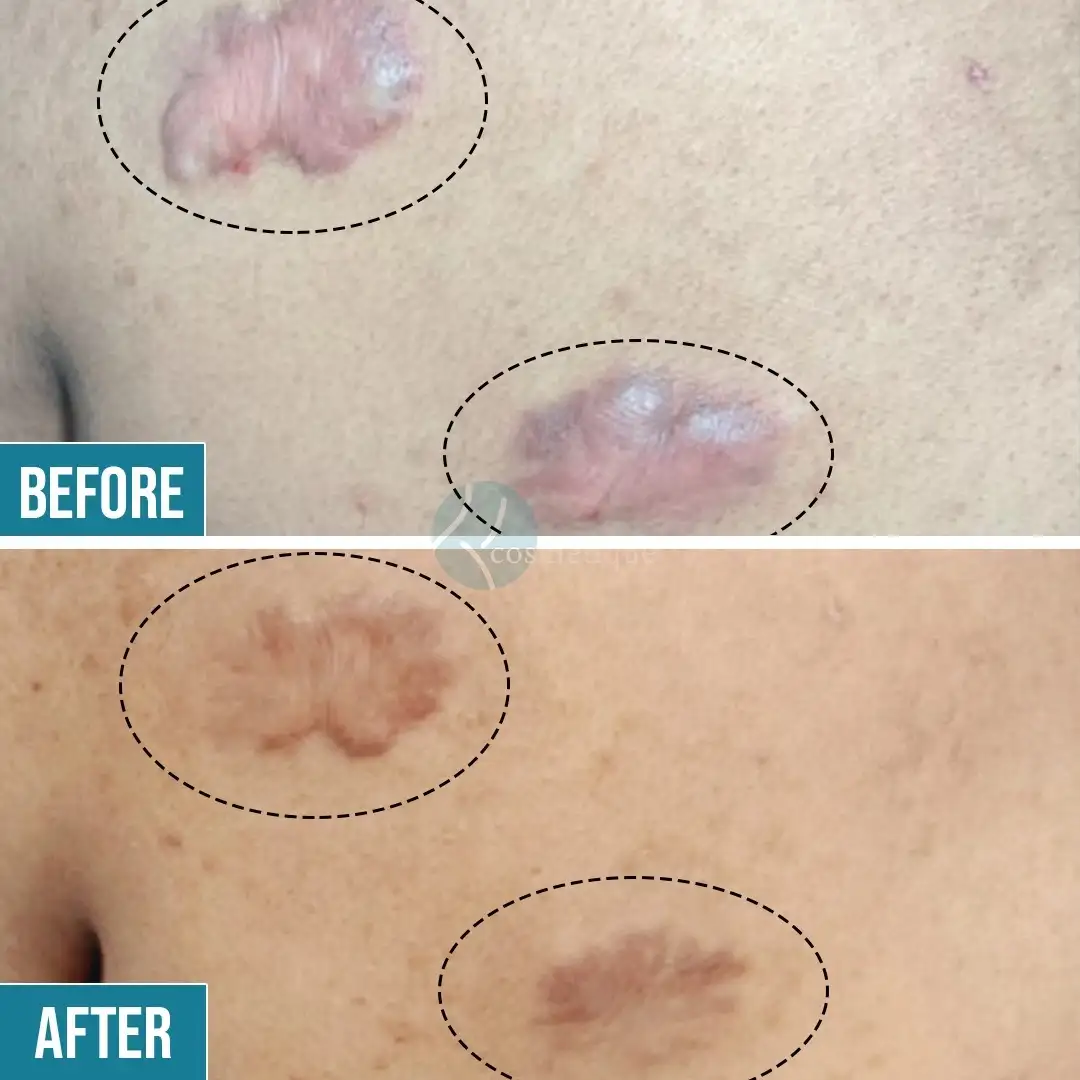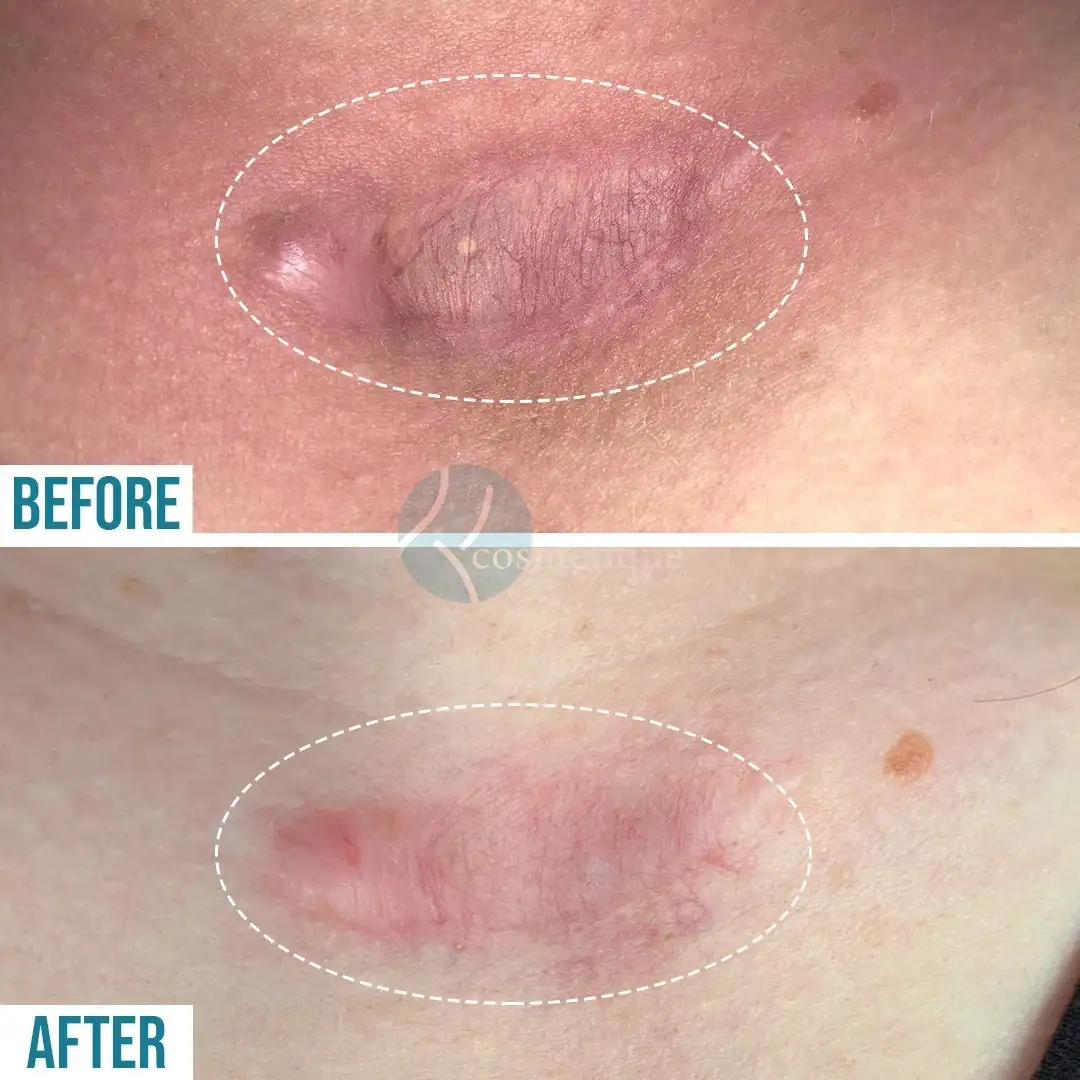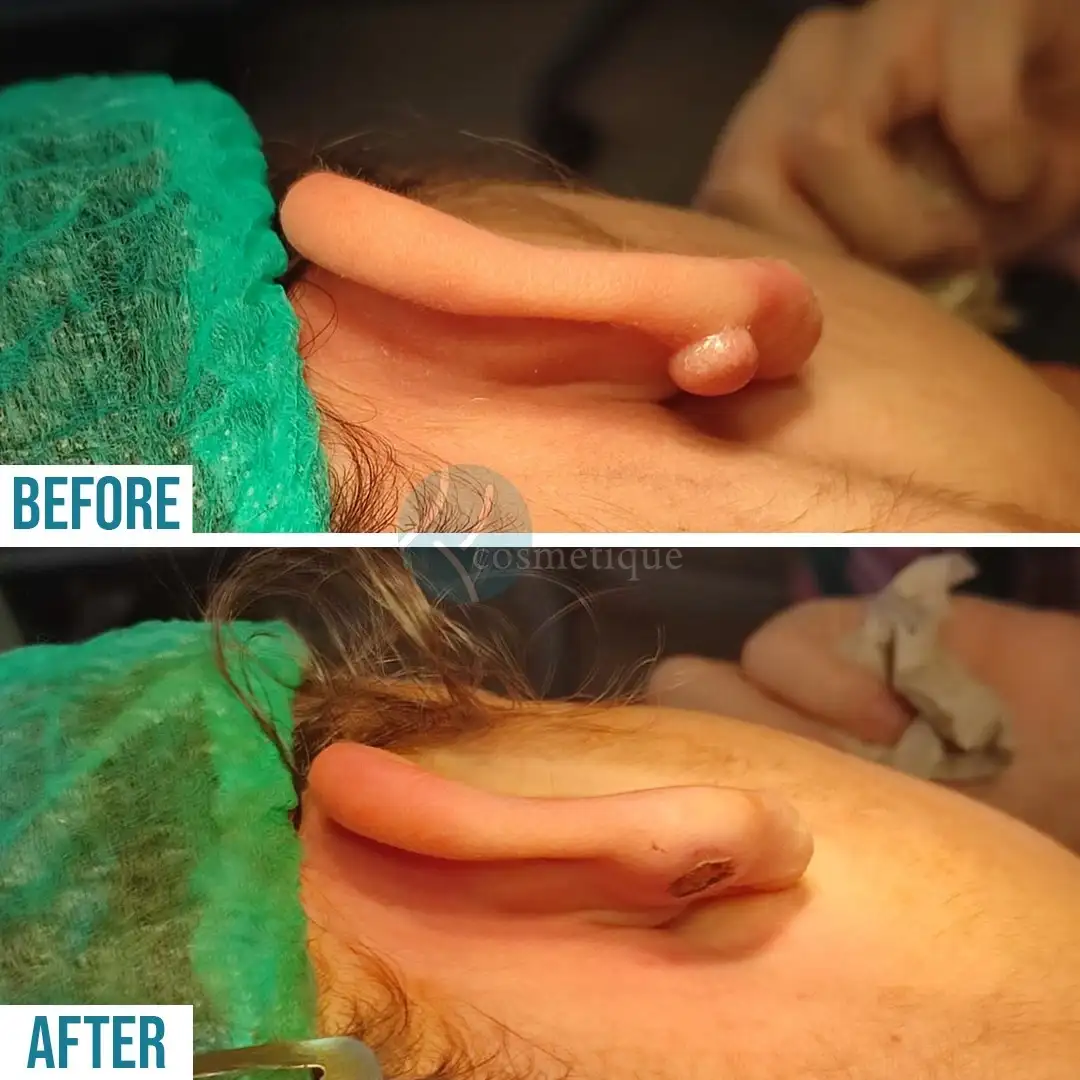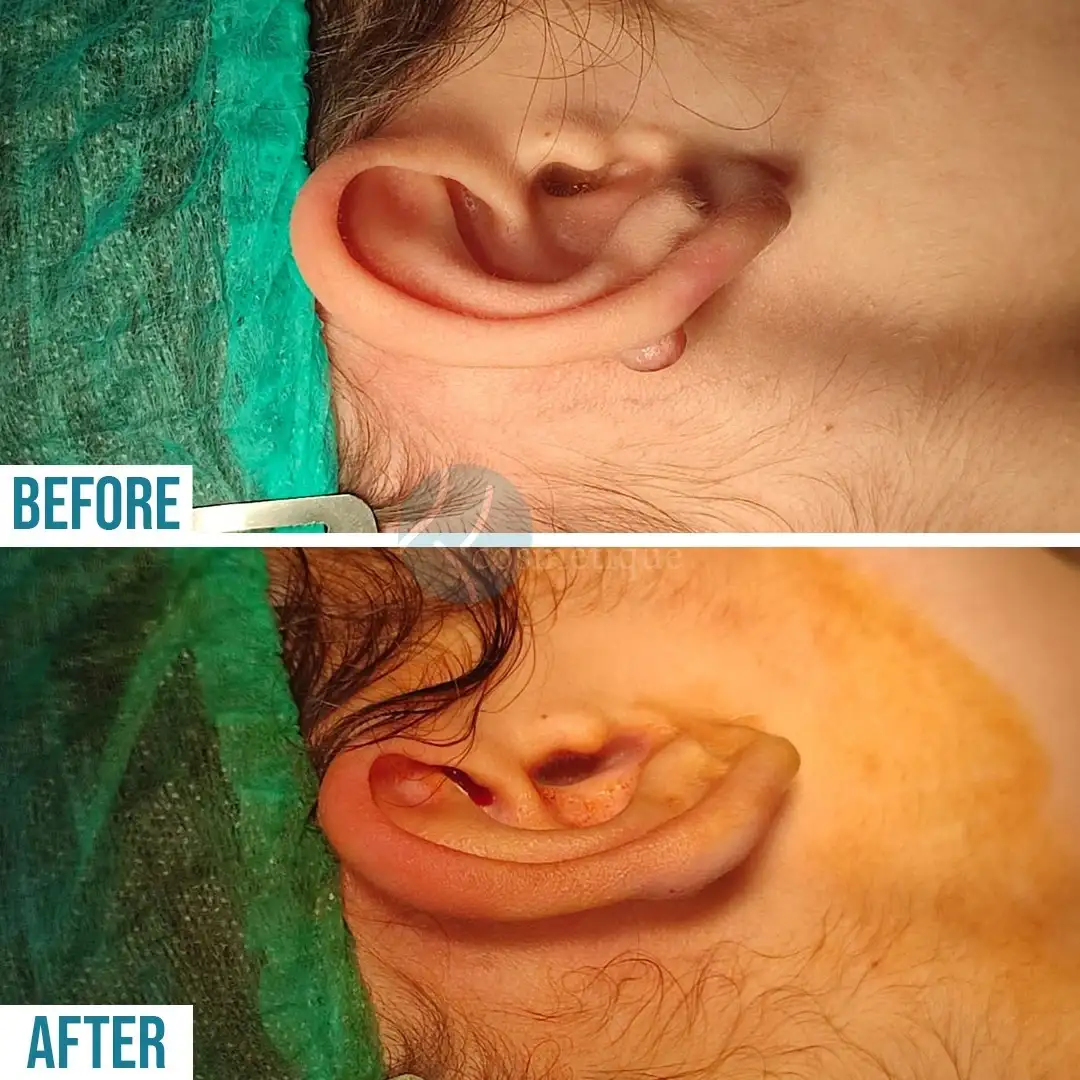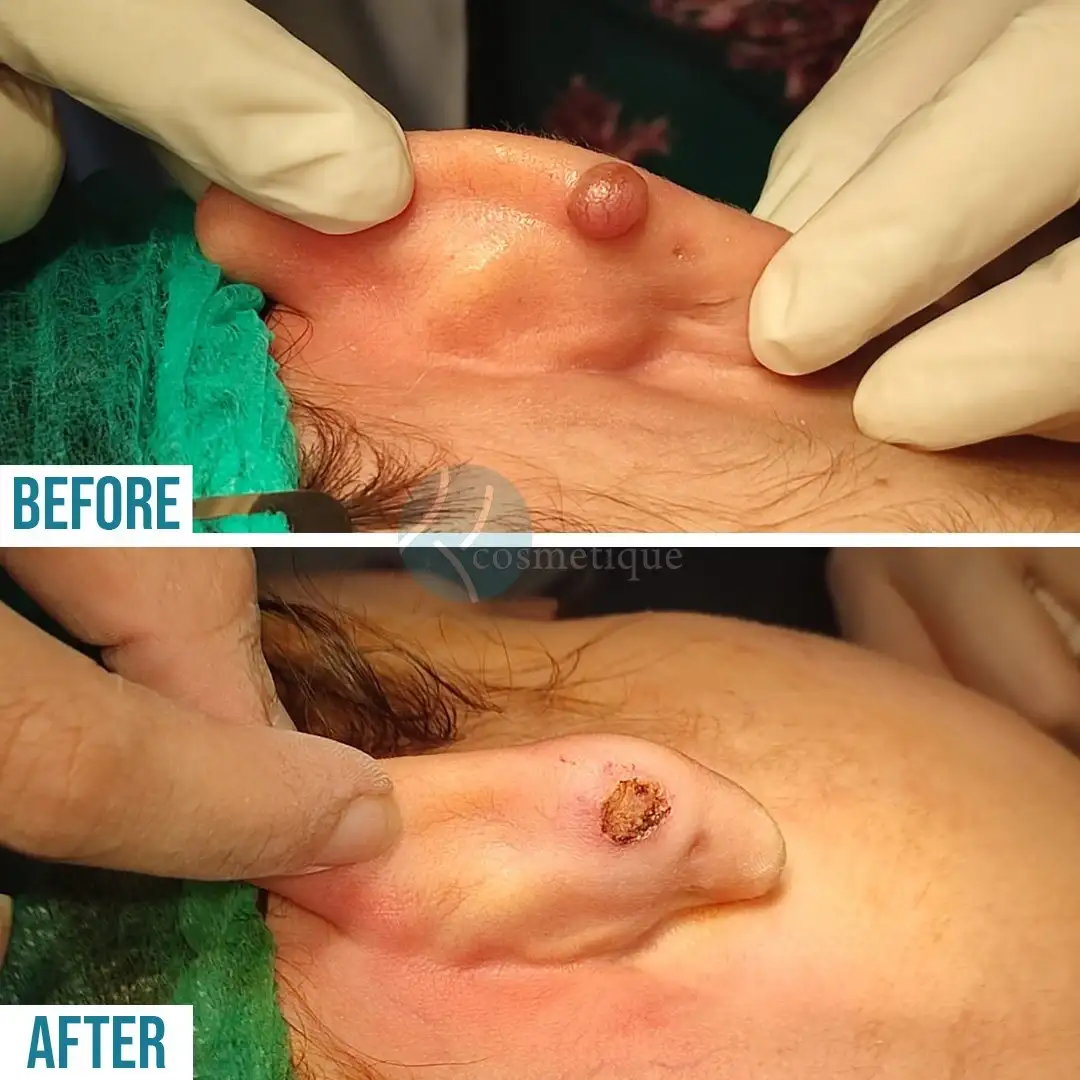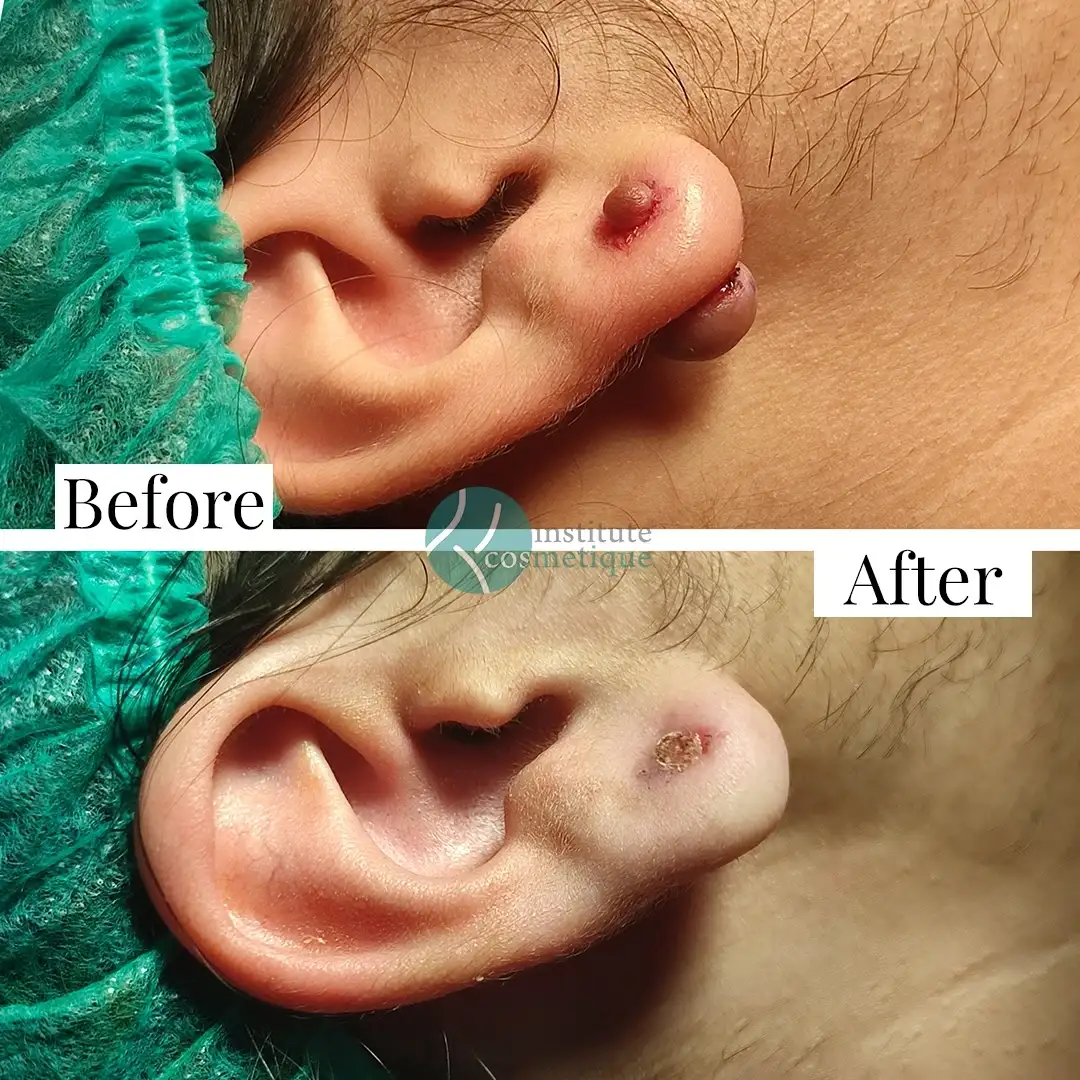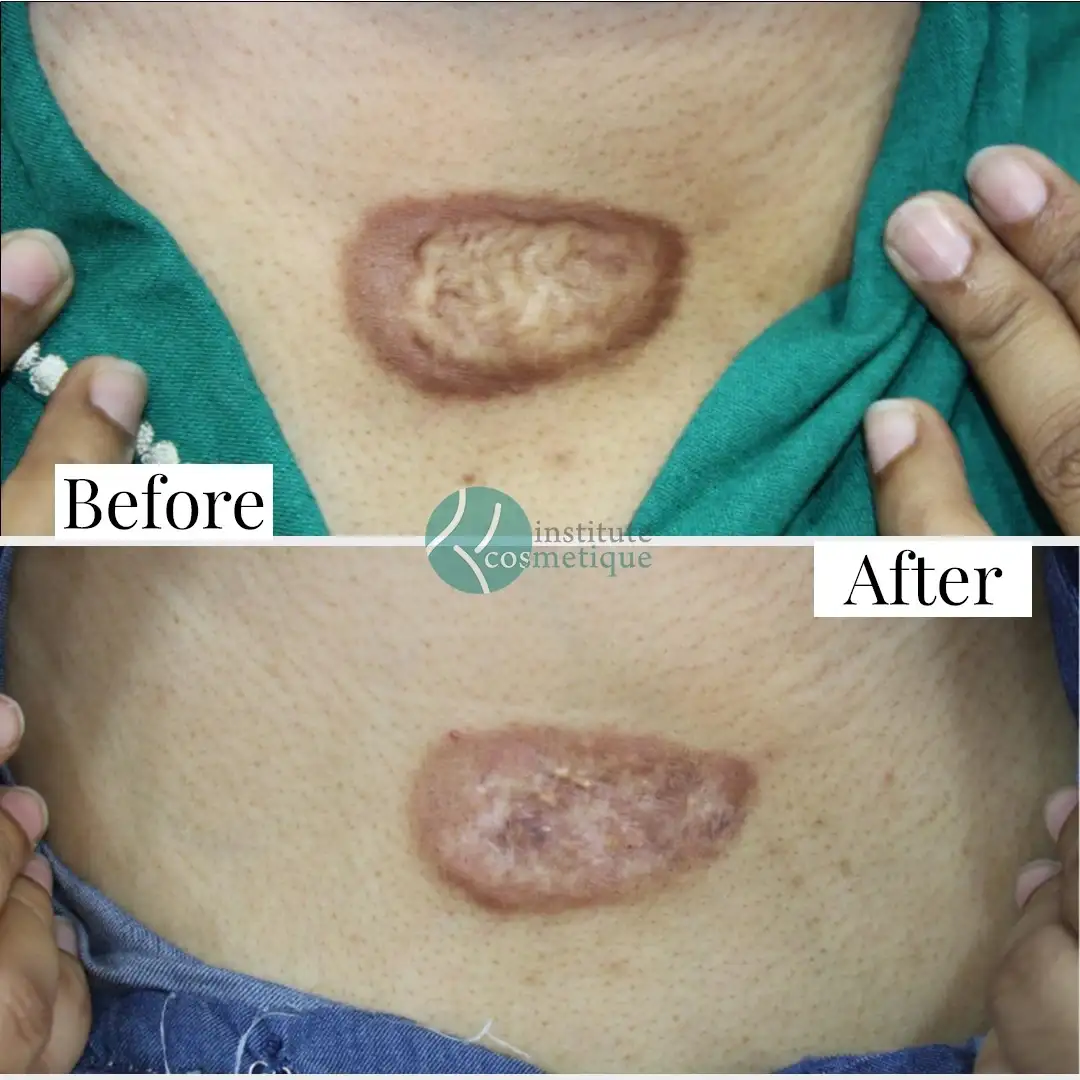
There are different kinds of scars. Some scars are small and gradually fade away as the wound heals. Others, called hypertrophic scars, are slightly larger than the original wound. Then there are scars that keep growing well beyond the original injury site, known as keloids.
Keloids usually start from a skin injury or even a small acne scar, most commonly on the chest or back, but they can develop on any part of the body.
The right keloid treatment in Lahore depends on the size and location of the scar. A skin specialist can examine it and suggest the most suitable plan.
It is extremely important to get a proper evaluation of the keloid before considering its removal. A skin specialist can assess the scar and determine the most suitable treatment based on its size, location, and condition. Surgery is usually not recommended, as keloids tend to grow back even bigger than before.
Different treatment options may be used to reduce the size and appearance of keloids. Surgery is not recommended in most cases because keloids can return and may sometimes grow larger after removal. In selected cases, surgical excision may be considered.
Other treatment options include:
Derma-Jet is a needle-free technique that uses a fine but powerful stream to deliver medication into the deeper layers of the skin. This approach can be a suitable option for patients who prefer treatment without a conventional needle.
With extensive experience in treating keloids in Asian skin, these treatment technologies can help reduce the size and visibility of keloids. The treatment plan is selected according to the individual patient's condition and the characteristics of the scar.
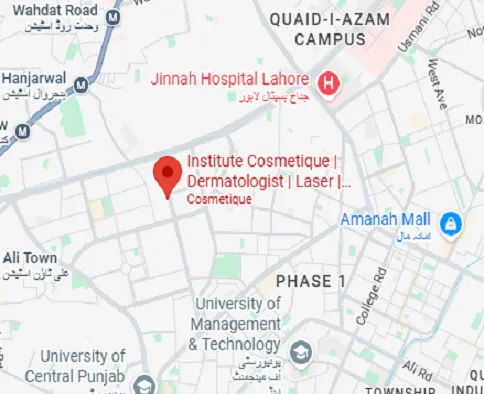
We see patients from Lahore, Karachi, Islamabad, and other cities across Pakistan for keloid evaluation and treatment.
Radiofrequency treatment is an advanced option for treating selected keloids. It is designed to target the scar tissue while helping minimize damage to the surrounding skin.
At Cosmetique Clinic, Radiofrequency treatment may be recommended as part of a customized treatment plan depending on the size, location, and condition of the keloid.